

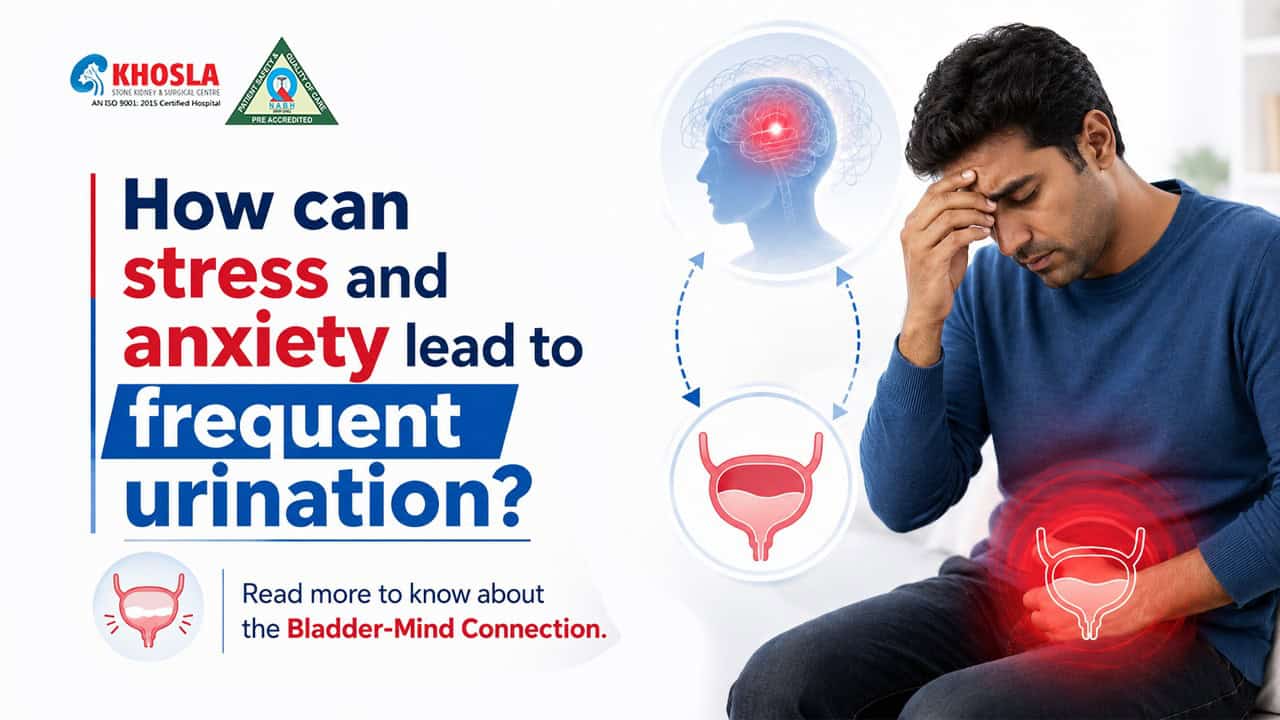
- Stress hormones: Spikes in adrenaline and cortisol increase overall nerve activity, causing the bladder muscles to contract prematurely.
- Muscle tension: The pelvic floor muscles, which support the bladder, tend to tighten unconsciously during periods of high anxiety. This tightening can trick your brain into feeling like the bladder is full.
- Heightened focus: When anxious people often become hyper-aware of internal body sensations. This heightened focus can make minor bladder signals feel much more urgent than they actually are.
- Mindfulness and breathing: Practicing deep breathing exercises and vagal stimulation can help calm the nervous system, thus preventing this continuous urge to urinate.
- Physical therapies: Performing pelvic floor exercises or targeted exercises can help relax tense muscles.
- Dietary adjustments: Reducing or avoiding bladder irritants such as caffeine and alcohol can decrease urinary frequency.
- Professional support: Seeking help from a medical professional can help break the cycle of stress-induced frequent urination.
- Can anxiety mimic a bladder infection?
- Can a nervous bladder be cured?
- What lifestyle changes can help calm a stress-induced bladder?