

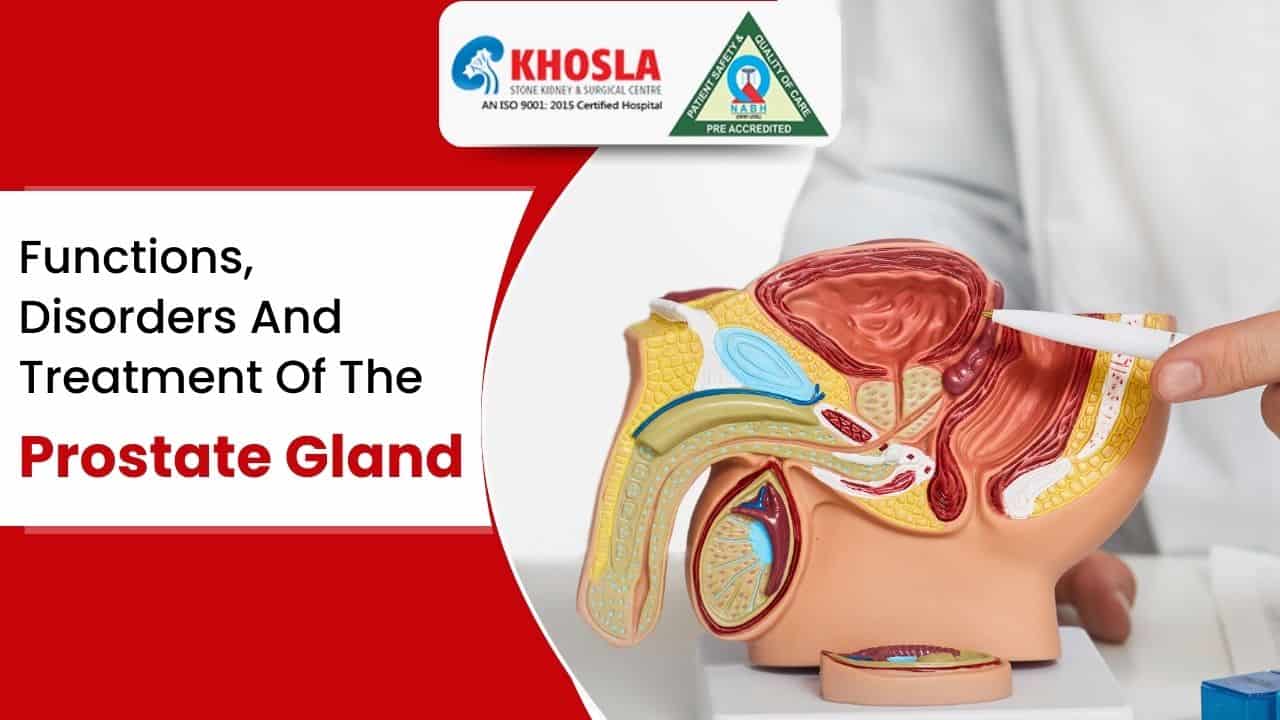
Function Of Prostate Gland
The prostate is a chestnut-sized gland. It is part of the male reproductive system and is located below the bladder and over the muscle of the pelvic floor. The prostate gland's most crucial function is the production of fluid that, together with sperm cells from the testicles and fluid from other glands, makes up sperm.Disorders Of Prostate Gland
The three most common forms of prostate gland diseases:- Inflammation Of Prostate Gland: Prostatitis is a prostate gland disorder usually associated with inflammation. It can often cause painful or difficult urination and genitals, pain in the pelvic area, genitals and pain in the groin. In some cases, bacterial infection causes prostatitis. If you feel pain in the pelvic region,visit India's best super speciality hospital.
- Non-cancerous Enlargement: The enlargement of the prostate gland can cause the urethra to narrow and put pressure on the base of the bladder, leading to a blockage in the urine flow. It is excruciating and is usually relieved temporarily by inserting a thin tube to release the urine.
- Prostate Cancer: The cancer is confirmed to the prostate gland. With the aggressive types of prostate cancer, these cells enter the vascular and lymphatic system and spread early to other parts of the body, where they develop secondary tumors, particularly in the bones.
Treatments Of Prostate Gland Diseases
- Fiber: Eating more fiber can help to abstain from constipation, which can put pressure on the bladder and make the signs of an enlarged prostate worse.
- Pad: Absorbent pads and pants can be worn inside underwear or may replace underwear altogether. These will soak up any leak.
- Bladder Training: Bladder training is an exercise that aims to help last longer without peeing and hold more pee in the bladder. Using a bladder training chart to record each time to pass urine and the volume of urine passed is a good idea.
- Double Voiding: Double voiding involves waiting a few moments after finishing peeing before trying to go again. It can help to empty the bladder properly. But take care not to push or strain.
- Drinking Less Fluid: Drinking less fluid in the evening might help with getting up at night.