

- The increased pressure of the baby on the pregnant woman’s bladder can increase their ability to urinate more, resulting in reduced fluid intake among pregnant women, causing dehydration, eventually resulting in stone formation.
- Pregnant women struggle with hormonal fluctuations, with progesterone levels increasing in their bodies, which eventually halt urine flow, causing stone formation.
- Naturally, pregnant women have more calcium in their urine, which can result in calcium-based kidney stones.
- If the pregnant woman has a history of kidney stones in their family before their pregnancy, then it increases their chances as well.
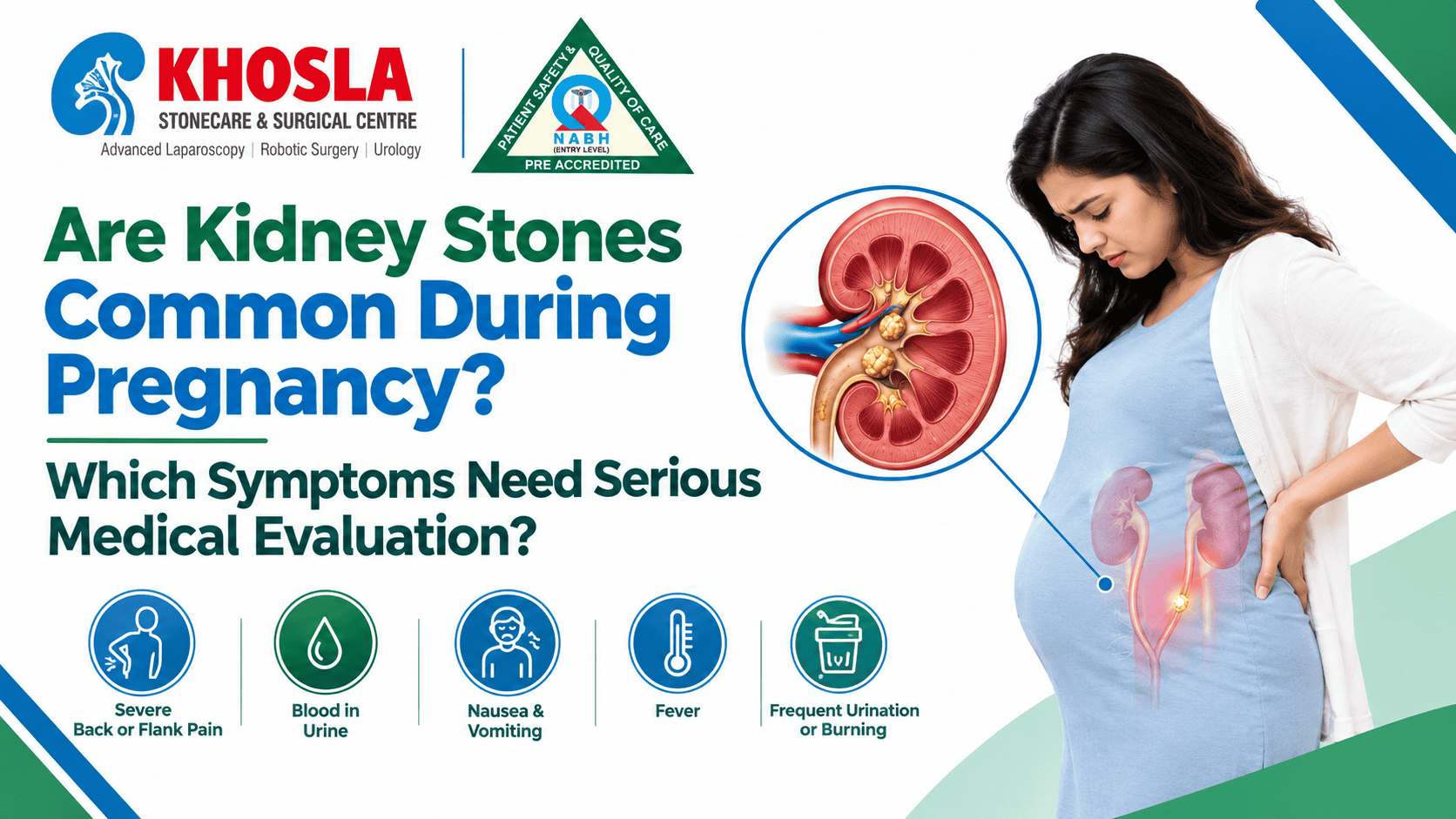
- Burning and sharp pain in the side of the abdomen, along with the back and lower abdomen.
- Experiencing nausea and vomiting and noticing blood in the urine.
- Feeling an increased urge to urinate and increased urinary frequency, causing discomfort throughout the entire day.
- Experiencing fever and chills, which might indicate the presence of infection during pregnancy.
- Ultrasound technology
- Magnetic-resonance Urography
- Low-dose computed tomography (CT scan)
- Do kidney stones pass naturally during pregnancy or not?
- Which treatment procedures are used for kidney stones in pregnancy?
- Is it safe to undergo ureteroscopy during pregnancy?
- Will my next trimester get affected after stone removal treatment?
- Is it possible to manage kidney stones with medications only during pregnancy?